































Core Principles of Highly Accelerated Life Test Chambers
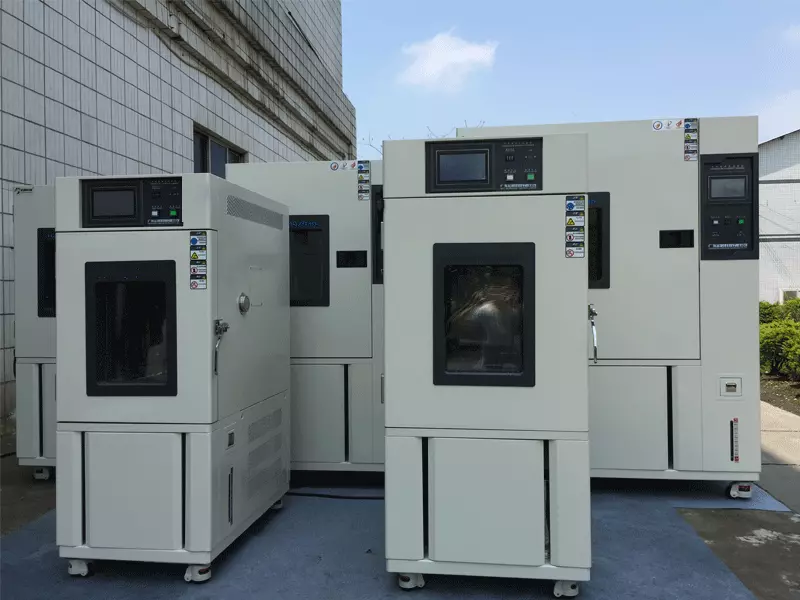
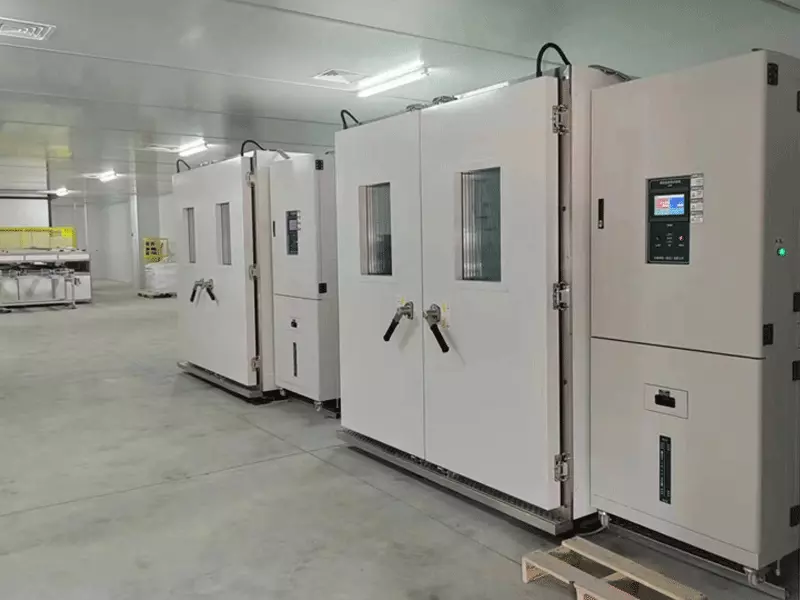
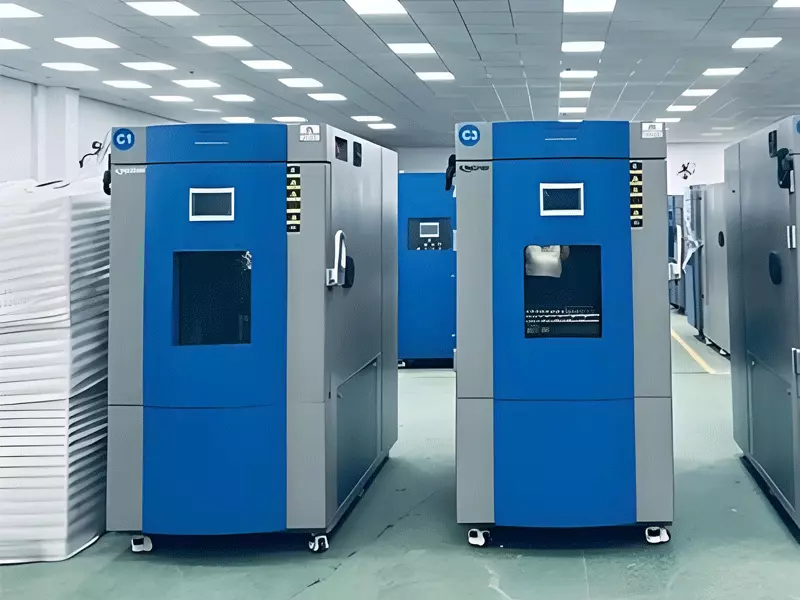
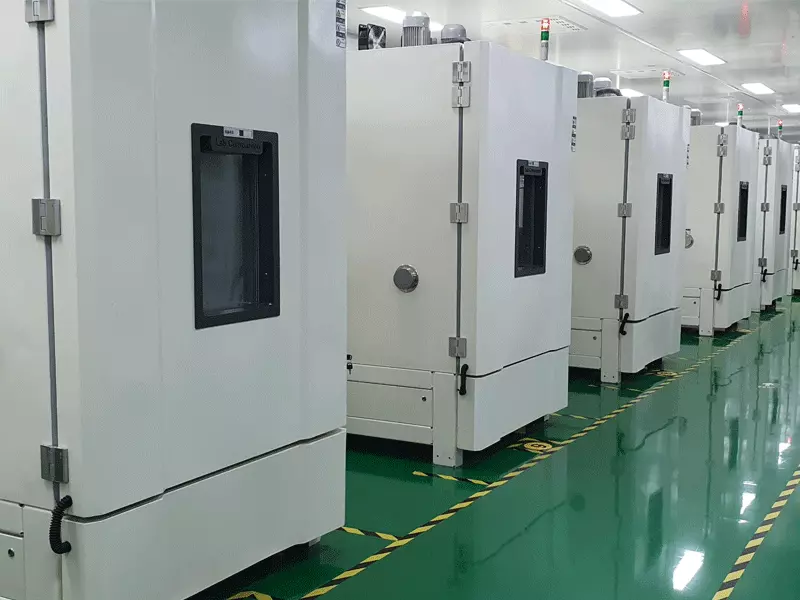
Highly Accelerated Life Test (HALT) chambers are advanced stress testing equipment designed for rapid identification of product design and process defects. Different from conventional environmental test equipment that simulates conventional working environments, HALT chambers adopt over-stress testing principles, applying extreme temperature, vibration and comprehensive stress far beyond product rated operating parameters to products . Its core goal is to expose latent faults and weak links in the shortest time and guide design optimization to improve product robustness.
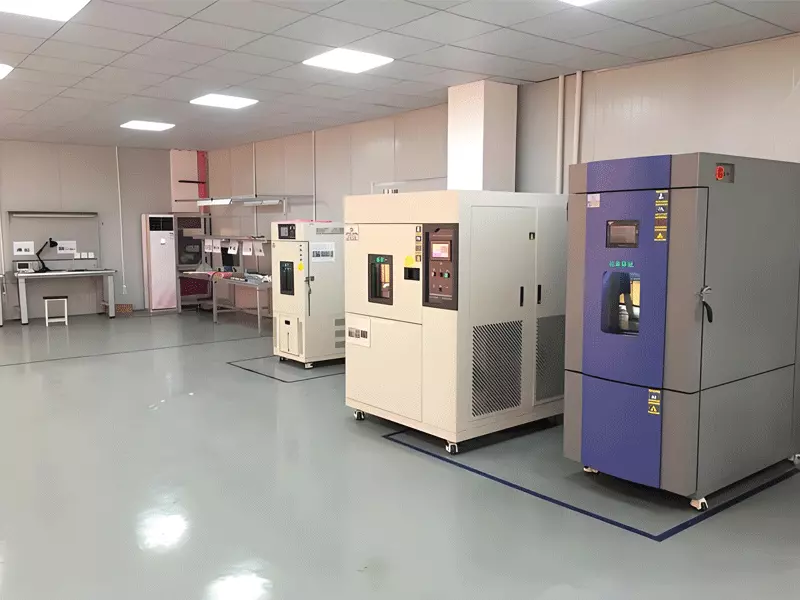
The HALT chamber integrates multi-dimensional stress simulation functions, including ultra-fast temperature cycling and high-intensity random vibration. Equipped with liquid nitrogen rapid cooling system and high-power heating devices, it achieves a temperature change rate exceeding 70°C per minute, realizing rapid switching between -100°C and 200°C . Meanwhile, the built-in six-degree-of-freedom vibration system can generate random vibration stress up to 50gRMS, simulating the complex vibration impact of products in actual transportation and operation . The superposition of temperature and vibration stress greatly accelerates the failure process of potential defects.
The testing process follows a step-by-step stress escalation mechanism. Engineers gradually increase temperature difference, vibration intensity and other stress levels until product failure occurs, and conduct root cause analysis for each failure mode . Compared with traditional life tests that take weeks or months, HALT testing only needs 3 to 5 days to complete reliability verification . This efficient accelerated testing mode greatly shortens the product research and development cycle, reduces testing costs, and helps enterprises quickly launch high-reliability products to occupy market advantages.